Falar, Ouvir, Ser: Idioma, Cultura e Acesso à Informação
[ENGLISH AND FRENCH BELOW]
A luta pelo pertencimento, para migrantes e refugiados, começa muitas vezes pelo idioma. Antes mesmo de encontrar trabalho, compreender o sistema de saúde ou regularizar a documentação, é na linguagem que se decide se alguém será ouvido, acolhido ou simplesmente ignorado. No Brasil, onde a política migratória afirma a igualdade de direitos independentemente da nacionalidade, o acesso efetivo à informação ainda esbarra em barreiras linguísticas que moldam a vida cotidiana dos recém-chegados, desde o simples ato de preencher um formulário até a busca por atendimento em serviços públicos.
O idioma não funciona apenas como instrumento de comunicação, mas como chave de acesso ao mundo social. Sem ele, orientações de saúde se tornam confusas, decisões jurídicas perdem clareza e oportunidades de emprego se esvaem. Essa dificuldade emerge com força particular em espaços institucionais: repartições públicas raramente dispõem de materiais multilíngues, e o atendimento bilíngue depende mais da boa vontade de servidores do que de uma política estruturada. Em consequência, migrantes podem consentir sem entender e discordar sem conseguir explicar, construindo trajetórias permeadas por mal-entendidos que afetam direitos essenciais.
A dimensão cultural é indissociável desse processo. Trazer uma língua é trazer uma visão de mundo, um repertório simbólico, uma forma de organizar a experiência. O encontro com a cultura brasileira (heterogênea, mas frequentemente monolíngue em suas práticas administrativas) pode gerar estranhamento, silêncio ou retraimento. Alguns grupos, especialmente mulheres cuidadoras e pessoas mais velhas, tendem a se isolar diante da sensação de inadequação linguística. Outros buscam redes comunitárias como estratégia de sobrevivência simbólica, encontrando na própria coletividade a mediação necessária para decifrar documentos, acessar serviços e interpretar normas sociais.
O acesso à informação, quando precário, amplia vulnerabilidades preexistentes. Durante a pandemia, por exemplo, circulavam orientações em português que não alcançavam comunidades migrantes, gerando confusão sobre vacinação, funcionamento dos postos ou medidas de prevenção. Em contextos de violência doméstica, a falta de canais multilíngues de denúncia impede que vítimas compreendam seus direitos ou saibam identificar portas de entrada, situação agravada quando há medo da autoridade policial ou desconhecimento sobre o funcionamento da rede de proteção.
Apesar disso, surgem experiências que apontam caminhos promissores: escolas que implementam estratégias de acolhimento linguístico, equipes de saúde que recorrem a mediadores culturais, centros de referência que produzem materiais informativos em diversas línguas. São iniciativas que, embora fragmentadas, revelam a compreensão de que políticas públicas só ganham efetividade quando a comunicação é horizontal e inteligível para quem as utiliza.
Ao final, falar, ouvir e ser reconhecido constituem um mesmo gesto político. Para migrantes e refugiados no Brasil, o idioma não é apenas ferramenta de adaptação, mas condição de dignidade. Construir políticas multilíngues e culturalmente sensíveis não significa oferecer privilégio, mas cumprir o compromisso constitucional de universalidade e igualdade - permitindo que cada pessoa, independentemente de onde veio, possa compreender o país que a acolhe e, sobretudo, ser compreendida por ele.
Eixo Temático: Falar, Ouvir, Ser: Idioma, Cultura e Acesso à Informação.
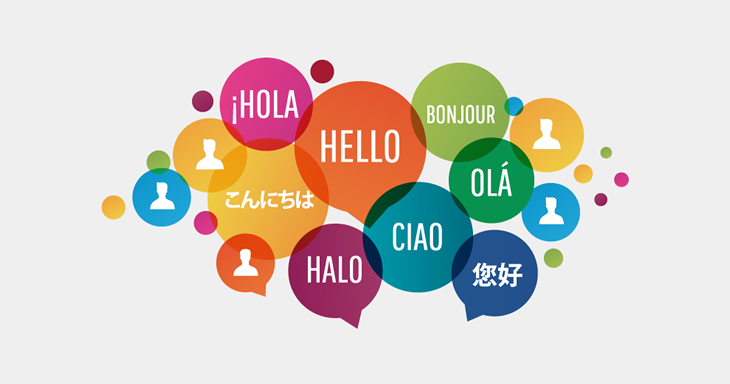
Foto: Autor desconhecido. Visualizada no portal Biomedicina Padrão.
Observação: alguns projetos de voluntários e ONGs ensinam português para falantes nativos ou que tenham como segunda língua o francês, inglês e outros idiomas. É o caso, por exemplo, do projeto da autora deste texto, Thayla Bicalho Bertolozzi, o "Chega Aí", que ensinava noções básicas de português para francófonos, com foco em migrantes e refugiados falantes de francês. Vejam os vídeos em: https://www.youtube.com/@chegaai1129
[ENGLISH VERSION]
Tradução automatizada por DeepL com revisão humana por Thayla Bicalho Bertolozzi
Speaking, Listening, Being: Language, Culture, and Access to Information.
The struggle for belonging, for migrants and refugees, often begins with language. Even before finding work, understanding the healthcare system, or regularizing documentation, language determines whether someone will be heard, welcomed, or simply ignored. In Brazil, where immigration policy affirms equal rights regardless of nationality, effective access to information still encounters linguistic barriers that shape the daily lives of newcomers, from the simple act of filling out a form to seeking assistance in public services.
Language functions not only as a means of communication but also as a key to accessing the social world. Without it, health guidelines become confusing, legal decisions lose clarity, and job opportunities vanish. This difficulty emerges with particular force in institutional spaces: public offices rarely have multilingual materials, and bilingual service depends more on the goodwill of employees than on a structured policy. Consequently, migrants may consent without understanding and disagree without being able to explain, building trajectories permeated by misunderstandings that affect essential rights.
The cultural dimension is inseparable from this process. Bringing a language means bringing a worldview, a symbolic repertoire, a way of organizing experience. Encountering Brazilian culture (heterogeneous, but often monolingual in its administrative practices) can generate estrangement, silence, or withdrawal. Some groups, especially female caregivers and older people, tend to isolate themselves due to a feeling of linguistic inadequacy. Others seek community networks as a strategy for symbolic survival, finding in the community itself the necessary mediation to decipher documents, access services, and interpret social norms.
Access to information, when precarious, amplifies pre-existing vulnerabilities. During the pandemic, for example, guidelines circulated in Portuguese that did not reach migrant communities, generating confusion about vaccination, the functioning of health centers, or preventive measures. In contexts of domestic violence, the lack of multilingual reporting channels prevents victims from understanding their rights or knowing how to identify entry points, a situation aggravated when there is fear of the police or a lack of knowledge about how the protection network works.
Despite this, experiences are emerging that point to promising paths: schools implementing linguistic inclusion strategies, healthcare teams using cultural mediators, and referral centers producing informational materials in various languages. These initiatives, although fragmented, reveal an understanding that public policies only become effective when communication is horizontal and intelligible to those who use them.
Ultimately, speaking, listening, and being recognized constitute a single political act. For migrants and refugees in Brazil, language is not merely a tool for adaptation, but a condition of dignity. Building multilingual and culturally sensitive policies does not mean offering privilege, but fulfilling the constitutional commitment to universality and equality – allowing each person, regardless of where they come from, to understand the country that welcomes them and, above all, to be understood by it.
Note:
Some volunteer projects and NGOs teach Portuguese to native speakers or those who have French, English, or other languages as a second language. This is the case, for example, of the project by the author of this text, Thayla Bicalho Bertolozzi, called "Chega Aí," which taught basic Portuguese to French speakers, focusing on French-speaking migrants and refugees. See the videos at: https://www.youtube.com/@chegaai1129
[FRENCH VERSION]
Disponible sur : https://docs.google.com/document/d/1LQGVLfb5E7yCnYdj5SxOiXUIMDp7fXygZt9_s9bt12s/edit?usp=sharing
Por Thayla Bicalho Bertolozzi
Doutoranda em Relações Internacionais (USP), mestra em Humanidades e Direitos (USP), graduada em Relações Internacionais (USP) e graduanda em Direito (USP). Contato: thaylabertolozzi@usp.br